Early
humans were no strangers to disease. They encountered the microbes that
cause illness in drinking water, food and the environment. Occasionally
an outbreak might decimate a small group, but they never encountered
anything close to the widespread illnesses of the ages to follow. It
wasn't until humans began gathering in larger populations that
contagious diseases had the opportunity to spread to epidemic
proportions. An epidemic occurs when a disease affects a
disproportionally large number of people within a given population, such
as a city or geographic region. If it affects even greater numbers and a
wider area, these outbreaks become pandemics.
Learn how you can protect yourselves and your loved ones
Commission received if you click,
then put an item in cart and buy.
Sites by/about Individuals
Linda Runyon
Born in 1938, Linda Runyon was the daughter of Ruth & Paul Runyon, an antique dealer and a cabinetmaker, respectively. Her family, including her brother, Paul Jr., would take vacations in the Adirondack Mountains of upstate NY. It was there that Linda’s love of nature and the outdoors was established.
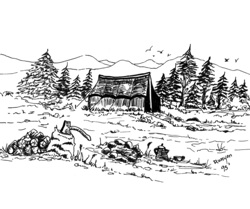
Linda grew up to be a registered nurse and have a family of her own. Later, her children Eric, Kim & Todd would develop their own relationship with these same mountains where Linda and her then-husband, Ken Heitz, would begin their homesteading experience in 1972.
Linda emerged from the woods full of the experience and ready to teach others what she had learned there. She continues to this day to author new works and teach the lost techniques that she re-discovered out of necessity in the wild.
Wild Edibles with Linda Runyon on TruthBrigade Radio
"Weeds are in every country of the world, so it's beyond me why there is world hunger. An entire civilization is walking on their food." Linda Runyon spoke these words after years of teaching herself how to live from the land. "I have this driving force to let others know they can survive. I see pictures of Afghanistan children eating bread made from grass. They are actually eating healthy food. Starving people are probably walking on food that would keep them alive, if they knew how to use it. Wild foods can be dried and kept for decades, and their seeds can be planted to grow again after all that time," she says. Linda's knowledge and expertise come from years of wilderness living, and learning on her own just what foods were safe to eat. She became familiar with medicinal herbs as well, as an offshoot of her friendship among members of an Iroquois Indian tribe in the Adirondacks wild, where she lived for many years. Survival Acre is the first book Linda published about her years of education by Mother Nature. It came into being after she left the Adirondacks to care for her ailing parents in Phoenix. Other publications include "Wild Food and Coloring Book" and The Essential Wild Food Survival Guide, discussed in more detail in the "Testimonials" section of this website. Most recently, Linda created a survival pack of wild food identification cards which are now available to soldiers through a military action gear company. "When I watch the news and see the soldiers walking in the fields, I see food everywhere in every country. There are 2,000 plants out there that can be eaten freely," notes Runyon. "I wanted to make these cards available to every military person to help educate them. It makes me feel so good that a soldier can now purchase these cards and may give them to a family that may benefit from them." And then there's this, from Genesis 1:29 of the Bible, where Linda notes that it is written, "Behold, I have given you every herb bearing seed, which is upon the face of all the earth, and every tree, in which is the fruit of a tree yielding seed; to you it shall be for meat."
Welcome to the New Of the Field!
There are many new things here to explore. The Forager’s Forum is a way for foragers to discuss Wild Food topics with each other, to share your knowledge, and maybe Linda might chime in from time to time! Linda is working on a new DVD and a book, so she is having a busy “retirement”, but she will keep us posted in Linda’s News. The Learning Resources store is a new entity unto itself, allowing detailed description and rich media, coupons & direct checkout and features that make it easier to serve you. For the loyal, you will find hidden coupons in the Forager’s Forum from time to time! It pays to read up here.
Each of these parts – comments, the forum & the store, use their own login –at least for the time being. Feel free to use the same username & password in each section, but there are separate registrations for each area. Our opt-in Newsletter, The Wild Times, is a separate signup as well over to your left, and if you aren’t a subscriber yet, you won’t be sorry. It’s spam free! You’ll get just the Newsletter, our new items, and infrequent sales notifications. Speaking of sales, there’s one on RIGHT NOW over in the Learning Resources area.
Linda Runyon welcomes you to her site! Its purpose is to help you begin to seek your own free life, should you wish to do so. Bear in mind, however, that the process of living and eating free (and deliciously!) does not happen overnight. Linda found this out after years of existence in the Adirondack wilderness.
It would be after a time of struggle and hardship, and experimenting with tastes, textures and plant availability, that Linda would become an accomplished and expert preparer of savory edible wild foods, such as tasty malva wraps, crabgrass muffins or pine needle tea.
Her story as an environmentarian (one who eats from the environment) begins when, as a child in the Adirondack wild, Linda discovered that wild clover, yarrow, and wintergreen were really good to eat! As she grew, so grew her knowledge of the abundant wild flora in her beloved mountains.
In 1972, Linda decided to homestead in the wilderness with her family. Her ability to recognize and use wild plants added immeasurably to her successful survival. By adapting to a diet of wild vegetables, herbs, fruits and nuts, she carved out a niche for herself among women pioneers reliant on Nature. In 1986, Linda moved to Glendale in Phoenix, Arizona to take care of her parents in Sun City West, Arizona. She lived there for 13 years, until 1999, eating off the desert and leading wild food walks with her friend, Willie Whitefeather. Her guide books document all these years and include her experiences, photos, recipes, and favorite wild plants. (See Learning Resources.)
Linda Runyon has gone on to share her wide-ranging experiences and knowledge of wild foods with a growing following: visitors to this web site, classes attending plant identification walks and lectures (now infrequent), and fans of her books, videos & newsletters.
The New Website Sale in Learning Resources.
Use coupon code “newsite” during checkout to claim your savings!
Still going strong- Hear Linda on the Radio!
For quite some time now, Linda Runyon has been
a regular guest on George Whitehurst Berry’s radio show, “Crash! Are you Ready?”
on the Genesis Communication Network.
The show is live, Monday-Friday 10:00am-11:00am Central Time.
The call-in number is 1-800-259-9231. They would love
to answer your questions on the air!
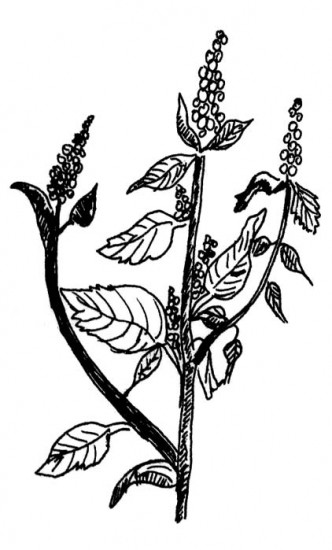
Other Names: Green amaranth, Pigweed, red root, carelessweed, choohugia (Pima name).
History: Native to tropical America; naturalized throughout the world. A staple food of the Zapotec Indians of Mexico. (Sturtevant 1972) Coastal Algonquins collected amaranth for a vegetable and used its ashes as salt. The plant is naturalized in Asian countries. It is cultivated in tropical Africa and Jamaica as a potherb. Seeds are used for flour in India and Nepal. Amaranth yields 8 ounces of seed from plants covering 1 square yard of ground.
Habitat: Cultivated soil.
Common Amaranth, Eastern U.S.
Characteristics: Annual herb. Averages 2 foot, but may reach 6 feet or more. With bristly seed heads, clustered on multi-branch stems from a central stalk. Flower seeds are black and shiny; leaves are smooth and veined with slightly toothed margins. Eastern amaranth seed heads or “flowers” are denser and shorter than the Western species. Western varieties may have long, spindly, bristly seed heads, and white seed pods with black seeds inside.
Primary Uses: Culinary, cosmetic. Use leaves and stems like spinach, eaten raw, steamed, sautéed, cooking liquid is drunk. Leaves are also dried and ground for flour. They are used in soups and stews. Seeds are used raw or dried for baked goods, cereal, mush.
Nutritional Value: High in vegetable protein. High calcium and vitamin E.
Cosmetic Value: Astringent, wrinkle cream.
Collection and Storage: Use entire plant. Harvest lower leaves and branches in summer as vegetables. Refrigerate or freeze; dry. Wait until plant is full grown for large seed heads. Amaranth seeds are easily collected in autumn by tapping the seed head over a bowl, even in summer on the desert.
Linda Says- The first time I saw amaranth I couldn’t believe my eyes! Tall, wondrous plants heavy with seeds bordering pasture and barn areas. There were hundreds of these ”weeds” some bent over from the weight of their seeds. In less than 20 minutes I bundled enough amaranth for a week’s supply of fresh vegetable and almost a winter’s supply of flour. It did not take long to discover the wonders of amaranth in brownies, as a cooked green, or as a gruel.
Amaranth Vegetable Bread
1 package active dry yeast
1/4 cup warm water
6 cups all-purpose flour or 10 cups whole wheat flour
4 cups cooked, drained amaranth greens
Dissolve the yeast in the warm water. Place flour in a large bowl and mix in the yeast. Add the greens and mix by hand, kneading the dough for 3 minutes. Cover and let rise 1 hour, or until doubled in bulk.
Preheat the oven to 400 degrees. Punch dough down and form into 2 loaves. Place on a baking sheet and let rise again until doubled, about 45 minutes. Bake loaves for 40 minutes, or until they sound hollow when tapped. Serve hot. These loaves freeze well.
Makes 2 loaves
Linguine with Amaranth Cream Sauce
2 tablespoons butter
4 garlic cloves, crushed
3 cups soymilk or cow’s milk
4 tablespoons rice or wheat flour
1 cup crushed dried young amaranth
1 pound linguine, cooked until al dente
In a large frying pan, melt the butter and sauté the garlic over low heat for about 10 minutes. In a saucepan, mix the milk and flour to make a thin paste. Add the flour mixture and amaranth and heat until smooth and thickened, about 3 minutes. Serve over the linguine.
Serves 2 to 3 as a main course
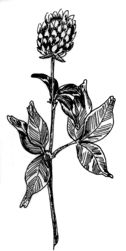
CLOVER
When I homesteaded in the Adirondack wilderness, the intake of calcium and protein was my main interest. Reading references about wild foods became a very necessary occupation when I went to the town library.
Red clover is one wild food that is high in vegetable protein and calcium. Red clover buds are sold in health food stores as a tonic for the body.
I began by putting red clover leaves between two pieces of whole wheat bread and pretending it was cheese. After a week or so, I began to forage freely on red clover leaves and buds for my sweet candy.
Little did I know the plant would eventually supply casseroles, teas, stir-fry and flour for baking. For a few months, red clover was added to spaghetti sauce and cream sauce for a halfway normal diet.
When foraging for any plant be sure include careful, 100 percent identification. For a complete set of foraging rules, please see below in the Dandelions section, “Rules of Foraging”. For red clover, rub the plant on your upper gum and wait 20 minutes for any reaction. If no reaction, make a weak tea then consume small sections of this new plant.
You may be fortunate to have a weedy backyard. If not, locate an access field and call to inquire how long ago the field was cultivated and what was grown there as far back as five years ago.
Most chemicals are washed down below the quick-growing weed root system and wild food roots are in the first 4 inches of topsoil as a rule. Hardy and fast-growing, these plants are the very ones the agricultural system needs to eradicate. Clover: Trifolium pratense (red clover), Trefolium repens (white clover), Legume Family, LeguminosaeTrefolium pratense (L.) History: Throughout all cultures; a Native American vegetable. Characteristics: Biennial or perennial herb. Red clover reaches height of 10 inches or more, with hairy stems. Red or purple blossom with oval nectar sections; elongated leaves form trefoil with white vein when mature. White clover reaches height of 2 inches or more. White blossoms have dozens of nectar filled sections; round leaves form trefoil at end of stem. Location: Fields, roadsides, backyards.
Collection and Storage: Plants are most succulent in spring and early summer. Gathering a winter’s supply of clover takes only a few minutes. Clover can be frozen by placing it in a single layer on freezer wrap, folding over 2 sides to hold the clover in place, and freezing. After the clover is frozen, roll the paper to make a compact package, fasten, and label. Dry seed heads separately for an attractive potpourri. Parts used: Leaves, blossoms, stems, roots. All can be used raw or cooked, dried or frozen. Medicinal Value: Red clover is used as tea for cough, whooping cough; blood tonic or purifier. Clover syrup used for chest congestion and bronchitis. Hot Clover and Rice
1 cup milk or water
2 cups washed clover leaves
4 cups fluffy cooked rice
Add rice to a greased baking dish. Stir in clover and water (or milk). Stir again and serve hot. A protein delight. Serves 4. Clover Sprout Muffins
3/4 cup partly cooked clover sprouts
1-1/4 cup whole wheat flour
5 teaspoons baking powder (optional)
1 tablespoon sugar (or honey)
1 cup milk or water
1 egg (optional)
2 tablespoons melted shortening (author uses water, no baking powder or egg, and sesame oil)
Stir flour, baking powder and honey together. Add milk or water and egg. Mix well. Add sprouts and melted shortening. Bake in a well-greased muffin tin at 400 degrees Fahrenheit for 20 minutes. Serves 3. (Medicinal remedies suggested by this column are intended to be used solely at the discretion and responsibility of the user.) CAUTION: Always check identification of wild foods with photographic sources. Some wild foods are toxic to humans. So when in doubt: DON’T! Also be aware of the use of chemicals in your lawn and neighbor’s lawn.
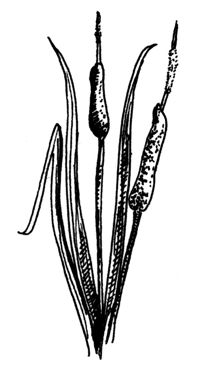
CATTAIL
Typha latifolia Cattail Family, Typhacerae Other Names: Supermarket of the swamp, punk, upakiotipa (Crow Indian). History: Native to North America, Europe, Asia. Cattail has been used for food throughout recorded history by people in all countries where it is found. Habitat: Bogs, swamps, wet areas. Characteristics: Perennial herb. Grows in wet areas to a height of 10 feet or more. Stalks have hot dog-shape heads, pollen flag in early spring. Very tall slender leaves with 1 vein. Primary Uses: Culinary, medicinal. Roots are dried and ground for flour. Early shoots are eaten raw. Stem pith is eaten raw, boiled, and pickled. Early green heads are eaten raw, cut and cooked as ear of corn. Early brown heads are ground for flour. Pollen is used as nutrient additive. Leaves are used for basket weaving, mats, other crafts. Nutritional Value: Plant holds about 30 percent complex carbohydrates; highly nutritious. Medicinal Value: Flower heads used in tea for diarrhea control. Collection and Storage: Pollen collected in spring; shake into a paper bag. Stems harvested before the cattail flowers, whenever possible. Roots dug from winter to early spring. Gather fluff from mature heads for excellent insulation or stuffing for jackets. The fluff floats and is waterproof, and serves as excellent tinder and torch. Can be used as cotton. Caution: If water purity is in doubt, use purification tablet and soak plant in solution.
Caution: Pollen fluff may cause skin to break out in hives.
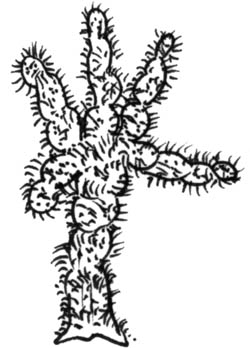
CHOLLA
Opuntia fulgida Cactus Family, Cactaceae Other Names: Jumping cactus. History: Native to North America. Used by Hohokam, prehistoric desert people. Indian women used baskets, sticks, and wooden tongs made from saguaro ribs to gather the buds. A firepit was dug in the desert floor, and the buds and joints were placed in a mesquite fire, roasted, and split in two to eat the succulent insides. Habitat: Desert. Characteristics: Treelike cactus with many branches. Cholla cactus has dozens of individual egg-shaped barbarous sections extending from tree-like stems reaching heights of 3 feet or more. Flower is light rose color, fruit is green and smooth. Primary Uses: Culinary, medicinal, cosmetic. Edible flowers, seeds, fruits, and bud extensions. Fruits are eaten raw, boiled, or baked. Dried for long-term storage. Fruits used in soups, casserole. Nutritional Value: High in calcium and iron. Medicinal Value: Gel applied on skin burns. Cosmetic Value: Gel used as skin softener. Collection and Storage: Use tongs and paper bags to collect fruit, leaves, and flowers of cholla. Spines and glochids are removed in any of several methods. Indians used flash fire, holding a flame under the burr to remove the glochids, so that they could be opened easily and handled with the fingers. Another method is to place burrs in one paper bag and transfer to another several times. Dry cholla buds on screens in the sun. Cover with cheesecloth if birds pick at them. Dried buds are stored in paper bags until needed. When needed, reconstitute in water about 3 to 4 hours, then boil for one-half hour.
Evelyn Neithammer (1974) found that the easiest way to clean cholla buds is to fill each of 2 saucepans one-third full of clean gravel. The buds are added and the gravel and buds poured from one pan to the other four or five times, or until rid of spines and glochids. (Glochids are minuscule, dense pockets of small barbs which protrude from the pads of prickly pear cactus. They are small but mighty protection against antelope, deer, and cattle of the Western plains.) Caution: Spines and glochids will penetrate skin with a voracious sting and burning sensation. Do not touch the cactus with bare skin. Caution: All cholla, prickly pear, and saguaro cactus is “protected plant, by State of Arizona,” but it is legal to pick fruits and buds of the species in this field guide for food. The rare crested saguaro is completely protected, so NO fruits or parts may be taken. Be sure to check the regulations in your state. CAUTION: Always check identification of wild foods with photographic sources. Some wild foods are toxic to humans. So when in doubt: DON’T! Also be aware of the use of chemicals in your lawn and in your neighbor’s lawn.
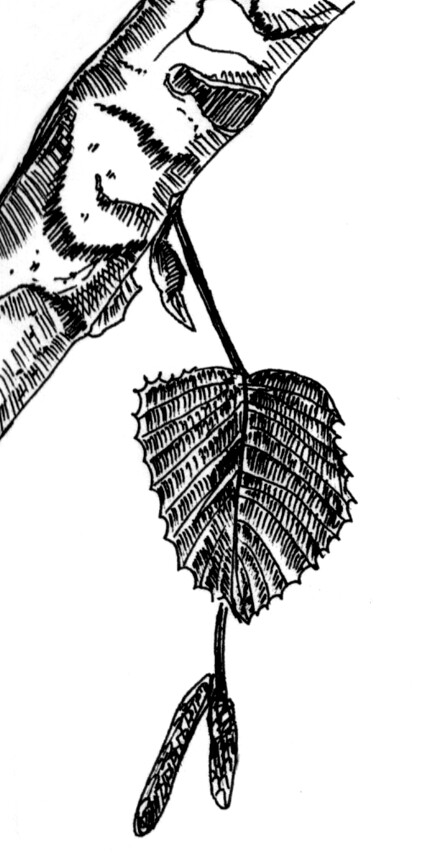
BIRCH
Betula species
Birch Family, Betulaceae Other Names: White birch, paper birch, yellow birch, golden tree. History: Native to North America. Scandinavians boiled, baked and added birch sawdust to their breads. Loggers say that their white birch sawdust used to be taken to American bread companies. Native Americans used birch dust for tea, and the strong inner bark was fashioned into many crafts. The Cree Indians folded birch bark and bit patterns into it,then unfolded it. Hundreds of Confederate soldiers were saved during their retreat to Monterey, Virginia, when they used birch bark as food. Habitat: Woods, roadsides. Characteristics: Deciduous tree. Alternate simple saw-toothed leaves. Papery bark of white and yellow birch peels in curls. Primary Uses: Birch is an excellent cabinetmaking wood; it makes strong hardwood furniture. Culinary, medicinal, cosmetic. Inner bark, sap, twigs, buds, and young leaves eaten raw as emergency food; dried and ground for flour. Sap is drunk raw for nutritious liquid. Twigs are used to make wines, dried for tea or crispy treat. Buds eaten raw. Young leaves steamed, sautéed, cooking liquid drunk. Nutritional Value: High in minerals, calcium and phosphorous. High in potassium and beta carotene.
RULES OF FORAGING
1. Positively identify all plants you intend to ingest as food or medicine.
2. Use three photographic references whenever possible. Roll a tiny bit of the plant between your fingers and sniff. Does this smell good? Then, run that tiny bit of plant on your gums. WAIT 20 minutes. Look for burning, nausea, itching, or stinging. If no reaction, take a TINY bit of plant, pour a cup of boiling water over and drink slowly, over a period of 20 minutes. Look for symptoms of nausea, upset stomach, burning, etc.
3. People with allergies should juice up a small piece, and place on inner arm using a bandaid and wait for several hours. If no redness, proceed with small amount of plant.
4. Keep all samples away from children, pets, storing seeds, bulbs out of sight.
5. Teach children to keep all plants out of their mouth.
6. Avoid smoke from burning plants.
7. If on a farmed land, find out how long ago the land was farmed, and whether the land was used for corn, cotton or orchards, as these crops are subjected to heavier chemicals.
8. Call and report chemical spills resulting in contaminated areas.
9. Keep plants in separate bags when foraging and collecting.
The above referenced from Linda Runyon’s National Field Guide The Essential Wild Food Survival Guide. Other publications include: A Survival Acre, Wild Food Cards, Coloring Book, available from Wild Food Co., PO Box 83, Shiloh, New Jersey 08353, or e-mail lrunyon8@yahoo.com. Forager's Forum
are often really basic and simple, and yet it can be a daunting task to think about creating an emergency plan...especially if you have a family to think about
This website is SOLELY for the purpose of providing a one-stop place for resources and information on emergency preparedness and survival topics. Any information we share on these pages is simply for the purpose of helping as many folks as we can to BE PREPARED for whatever may happen next, whether that be emergency survival skills, where to buy food reserves, what kind of alternative energy is best, etc, etc.......
Arthur Haines teachs edible, medicinal, and useful plants through several different organizations, one being Delta Institute of Natural History. He specializes in plants of New England and leads both plant identification/taxonomy walks as well as foraging classes. The schedule of classes can be found at Courses.
In the Boston area Russ Cohen runs foraging outings in his spare time. His site has his schedule, his bio, an Edible Wild Plant Bibliography, and some recipes. He has now written a book: Wild Plants I Have Known...and Eaten. (See page bottom to switch to other pages.)
In Western Massachusetts Blanche Derby leads wild weed walks and give talks. She has also written the book My Wild Friends, Free Food From Field and Forest. Her site, with book info, DVDs, and tour schedule, is Edible Wild Plants.
Vickie Shufer gives tours around Virginia Beach. Her site is Eco Images. Also see her “The Wild Foods Forum,” a 16-page bimonthly newsletter. Feature articles on wild plants and how to use them for food, medicine & crafts. Also includes recipes, book reviews, trip reports, and networking.
Peter Gail has a site on The National Dandelion Cookoff!! on the first weekend in May each year. Held in Dover, Ohio. Link is now to his blog.
Wild Food Adventures, run by John Kallas, provides expertise in wild edible plants through workshops, expeditions, presentations, outdoor guiding, and outfitting anywhere in North America. Based in Portland, Oregon. Has newsletter. Don’t miss the biography of Euell Gibbons, The Father of Modern Wild Foods. In June 2010 his book came out, which you can buy at Amazon.com.
“Green” Deane Jordan in Northeast Florida has the site Eat The Weeds. He gives classes in the area, has extensive archives where you can search for a plant, and there are many YouTube videos.
Of The Field is the website of Linda Runyon in Upstate NY, where she lived off the land for many years. She has a monthly newsletter and sells various products, including some books which are listed below.
Becky “Wild Girl” Lerner, a journalist in Portland, OR, has a blog First Ways where she writes about foraging and wildcrafting with how-to information, and resources to learn more (books, schools, etc.).
The Cedar Mountain Herb School in La Conner, WA has an Herbal Apprenticeship Program on a weekend each month throughout the summer. Also a Botanical Primer that meets on weekday evenings in the winter.
Deb Schwartz has This month’s feature where she highlights a different edible plant each month. Prior months are also available.
Norm Kidder is part of Primitive Ways. A group that does stone age reenactments at a park just south of Livermore CA. He knows plants well too. Links to pictures of edible plants of CA are a ways down the page.
Daniel Klein, a chef and activist in Minnesota, is putting up weekly videos an his The Perennial Plate site. Relevant to us here is Episode 12: Wild Edibles, where he explores some of the common edibles that you may see around town or in the woods, and how to cook some of the greens. There is also Episode 7: Hunting Morels.
Tim Smith publishes a web log, the The Moose Dung Gazette, in which there is sometimes information on eating wild plants. Jack Mountain bushcraft also has a Wild Food Weekend.
Kat Morgenstern has an Educational Forum and Networking Resource for Ethnobotany and Eco-travel at Sacred Earth.
David Spahr has put up Mushroom-Collecting.com, a site about finding, collecting, identifying and preparing the more safe and common edible and medicinal mushroom species of Maine, New England, and Eastern Canada.
Dave Fischer’s American Mushrooms is from an author of a couple books. When the Internet was smaller he maintained the Mushroomers Online! directory of mycophiles.
The definition of foraging is to gather food that does not try to get away from you. Clams are one type of food that is foraged for and is not a plant. Clams and Clamming is a page of links on this.
Herbalist Patricia Kyritsi Howell runs the school BotanoLogos. In Mountain City, GA.
Cindy Halbkat, in the Southern Appalachians, has Wild Foodie, a site with recipes for wild edibles.
Robert “Bobcat” Saunders in Northeast New Jersey has put up Going Wilder In The Kitchen. In addition to cooking tips he has information, pictures, and scans of some plants. He also teaches “Going Wilder in the Kitchen” classes, about cooking and healing with wild plants and mushrooms, for Nature centers and organizations in the NY-NJ-PA area. [now in archive.org]
MushroomsNY is a web site by Federico Savini. Pictures of mushrooms he has found in NYC. [now in archive.org]
Clicking on a thumbnail image will get you a larger image. To open a book in a new tab (easier for comparisons) hold down the Ctrl key when you click the link. In order by Amazon rank.
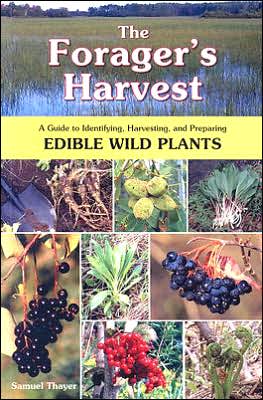
The Forager’s Harvest: A Guide to Identifying, Harvesting, and Preparing Edible Wild Plants by Samuel Thayer is a practical guide to all aspects of edible wild plants: finding and identifying them, their seasons of harvest, and their methods of collection and preparation. Each plant is discussed in great detail and accompanied by excellent color photographs. Includes an index, illustrated glossary, bibliography, and harvest calendar.
Nature’s Garden: A Guide to Identifying, Harvesting, and Preparing Edible Wild Plants by Samuel Thayer. A detailed guide to all aspects of using edible wild plants, from identifying and collecting through preparation. Covers 41 plants in-depth and the text is accompanied by multiple color photos. (Plants not covered in his first book.) The meat of the book is made up of plant accounts. These are in-depth profiles of edible plants, full of photos of how to identify, harvest and use them. The Amazon reviews average to 5 stars. Published April 2010.
A Field Guide to Edible Wild Plants: Eastern and Central North America (Peterson Field Guide Series) by Lee Allen Peterson and Roger Tory Peterson is one of the classics. More than 370 edible wild plants, plus 37 poisonous look-alikes, are described here, with 400 drawings and 78 color photographs showing precisely how to recognize each species. Also included are habitat descriptions, lists of plants by season, and preparation instructions for 22 different food uses.
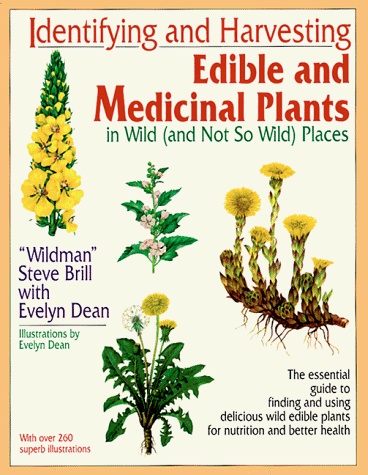
Identifying and Harvesting Edible and Medicinal Plants in Wild (And Not So Wild Places) by “Wildman” Steve Brill shows readers how to find and prepare more than five hundred different plants. More than 260 detailed line drawings. No color pictures, which upsets buyers expecting them. This book is both a field guide to nature’s bounty and a source of intriguing information about the plants that surround us.
While Newcomb’s Wildflower Guide by Lawrence Newcomb is not foraging, but it’s another that belongs in a forager’s book collection.
The Illustrated Guide to Edible Wild Plants by Department of the Army. It helps you identify plants, other than by memorizing particular varieties through familiarity, by using such factors as leaf shape and margin, leaf arrangements, and root structure. [Kindle edition available.]
The Essential Wild Food Survival Guide by Linda Runyon. The book is profusely illustrated by the author. You will learn how to identify, gather, prepare, store and enjoy wild food. The book is full of data, charts, nutritional breakdowns, and a poisonous look-alike section. There are many clear black & white photos as well as line drawings for identification. Includes recipes. The majority of the plants are found in all 50 states. A few are unique to the East or the West US. All Amazon reviews give the book 5 stars.
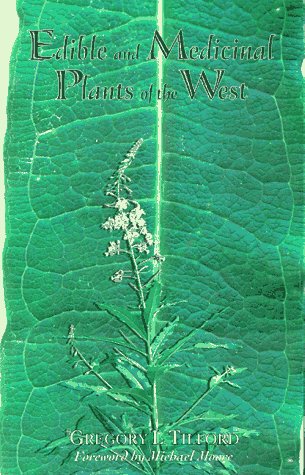
Edible and Medicinal Plants of the West by Gregory L. Tilford. Full-color photographs face detailed descriptions of 250 plant species in the western United States and Canada, covering field identification, habitat and range, edibility, medicinal uses, and more. The Amazon reviews average to 4+ stars.
Wild Cards: Edible Wild Foods (All Ages) [Cards] by Linda Runyon. A playing card deck by Linda Runyon, with photos and descriptions of 52 different edible plants. Ideal for hikers, campers, survival experts, and gourmet cooks. Includes key chain for easy portability. These can be used as a secondary, but not primary source of information. The Amazon reviews average to 4+ stars.
Tom Brown’s Guide to Wild Edible and Medicinal Plants (Field Guide) by Tom Brown. This book assumes you already know how to find the plant. There is only text. Every plant has a “personality,” which is an account of the author’s personal experience with the plant, childhood memories related to the plant, and teachings he got from an Apache elder. Then how the plant can be used as food and as medicine. He shows how the plant should be harvested, cooked, eaten, stored, prepared and prescribed. He points to possible dangers if a particular plant can be easily confused with a toxic plant, or when a plant could trigger reactions in allergic people.
Edible and Medicinal Plants of the Rockies by Linda Kershaw. Learn about the edible and medicinal characteristics of 333 of the most common plant species of the Rockies. This book includes accounts of how the plants were used by Native Americans and early European settlers.
Edible Wild Plants: Wild Foods From Dirt To Plate (The Wild Food Adventure Series, Book 1) by John Kallas includes extensive information and recipes on plants from the four categories: foundation greens, tart greens, pungent greens, and bitter greens. Has maps, simple explanations, and multiple sharp close-up photographs of every plant covered at every important stage of growth. You learn that a plant is not only edible but when, why, and how it is. Includes recipes. The only negative review feels the title should make it clear that the book is only about edible greens. The Amazon reviews average to 5 stars. Published June 2010. [Kindle edition available.]
Edible Wild Plants: A North American Field Guide to Over 200 Natural Foods by Thomas Elias and Peter Dykeman. This updated edition of the must-have field guide now features nearly 400 color photos and detailed information on more than 200 species of edible plants all across North America. Plants are organized by season. Each entry includes images, plus facts on the plant’s habitat, physical properties, harvesting, preparation, and poisonous look-alikes. The introduction contains recipes and a quick-reference seasonal key for each plant.
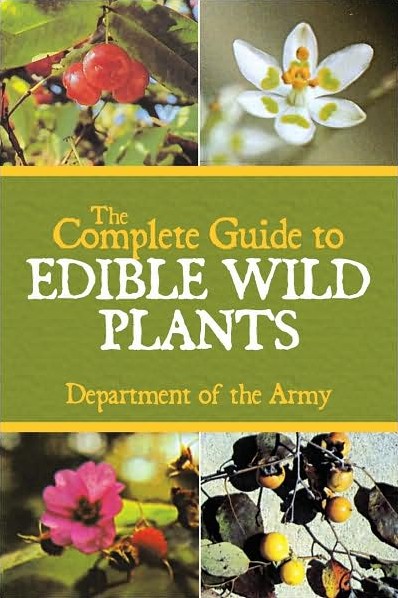
The Complete Guide to Edible Wild Plants by Department of the Army. Written for survival situations. The book describes habitat and distribution, physical characteristics, and edible parts of wild plants -- the key elements of identification. Also, methods of preparation are suggested for taste and variety. Reviews are mixed. [Kindle edition available.]
Foraging New England: Finding, Identifying, and Preparing Edible Wild Foods and Medicinal Plants from Maine to Connecticut by Tom Seymour guides you to the edible wild foods and healthful herbs of the Northeast. Organized by environmental zone, this valuable reference guide will help you identify and appreciate the wild bounty of New England. Inside you’ll find: detailed descriptions of edible plants and animals; tips on finding, preparing, and using foraged foods; a glossary of botanical terms; eighty-seven color photos.
Fat of the Land: Adventures of a 21st Century Forager by Langdon Cook. Langdon, a neophyte forager, is a smart funny storyteller. He celebrates the bounty of the land and sea through the pleasure of foraging. Recommended. [Kindle edition available.]
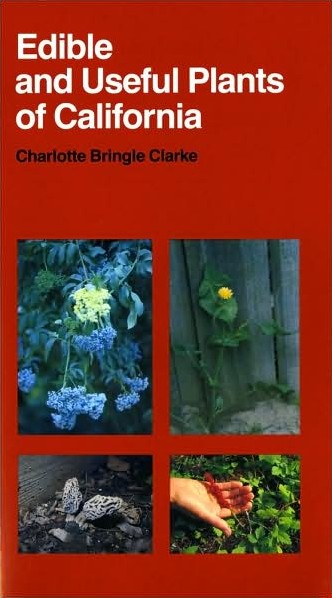
Edible and Useful Plants of California (California Natural History Guide) by Charlotte Bringle Clarke is a fun and easy to use guide that covers more than 220 plant species-for food, fibers, medicine, tools, and other purposes. It also tells how to prepare, cook, and otherwise use them. About a hundred species are edible. No color pictures. The Amazon reviews average to 4+ stars.
Common Edible and Useful Plants of the West (Outdoor and Nature) by Muriel Sweet covers how the Indians, pioneers, and early Spanish-Americans used many of the common wild plants for food, building shelters, or making artifacts. Remedies are included. The single Amazon review points out that this small and lightweight book only covers the most important and common edible plants of the West. The plants in this book are categorized according to trees, shrubs, vines, herbs, and water plants. The sketches are only average.
Edible Wild Plants of the Prairie: An Ethnobotanical Guide by Kelly Kindscher. Lots of prairie grasses here. The book is organized alphabetically by scientific name. The book provides line drawings, distribution maps, and botanical and habitat descriptions. The ethnobotanical accounts of food use form the major portion of the text, but there is also information on the parts of the plants used, harvesting, propagation (for home gardeners), and the preparation and taste of wild food plants.
Edible Wild Plants of Pennsylvania and Neighboring States by Mary Lee Medve and Richard J. Medve contains information for the identification of more than 100 wild plants. Each plant entry provides characteristics, habitat, distribution, edible parts, food uses, precautions, preparation, recipes, and interesting remarks about the plant’s botanical history. The plants are arranged according to height. Each plant is also cross-referenced by common and scientific names. They also provide a list of toxic look-alikes, a nutrient composition chart, and a glossary of terms.
A Survival Acre: 50 Worldwide Wild Foods & Medicines by Linda Runyon. The book is a primer for living off the land. The book was published back in 1985. Her later books have more science and research. The Amazon reviews average to 4 stars.
Stalking The Healthful Herbs by Euell Gibbons is a 1966 classic guide. It is a downhome book that passes on folk wisdom and botany in a delightful way. Some prefer this book to “Asparagus” because it is a bit more useful.
Wild Edible Fruits and Berries by Marjorie Furlong & Virginia Pill. Useful throughout the United States and Canada, this book contains full color photographs and detailed descriptions for 42 wild edible fruits and berries. Locations are given and conservation principles encouraged. Has a recipe section.
Field Guide to Edible Wild Plants by David Foster and Bradford Angier. This illustrated guide to North American wild edibles has been a nature classic for over thirty years. In this new edition, David K. Foster revises Bradford Angier’s invaluable foraging handbook, updating the taxonomy and adding more than a dozen species. Scientific information for a general audience and full-color illustrations combine with intriguing accounts of the plants’ uses, making this a practical guide for modern-day foragers. Reviews are mixed. It is in alphabetical order. It is conveniently small, but that limits the illustrations.
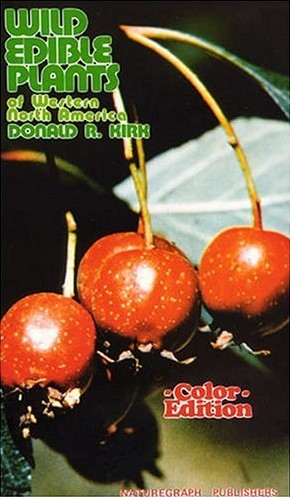
Wild Edible Plants of Western North America by Donald R. Kirk. Nearly 2000 species of wild edible plants found in the western United States and in southwestern Canada and northwestern Mexico are covered. Identifying illustrations are not in color.
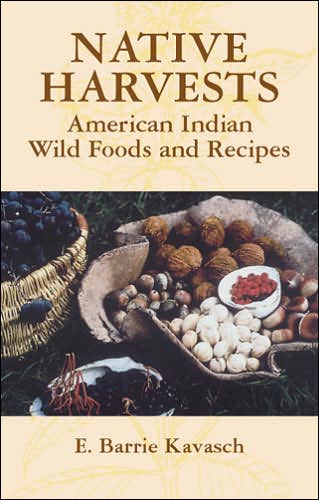
Native Harvests: American Indian Wild Foods and Recipes by E. Barrie Kavasch. Practical primer on natural foods not only provides recipes for varied Native American dishes but also describes uses of ceremonial, medicinal, and sacred plants. From clambakes to wild strawberry bread, the volume is simultaneously a field guide, cookbook, and useful manual on herbal remedies. Has perfect 5 star rating.
The Illustrated Guide to Edible Wild Plants by Department Army. Written for survival situations. The book describes the physical characteristics, habitat and distribution, and edible parts of wild plants. With color photography throughout, this guide facilitates the identification of these plants. [Kindle edition available.]
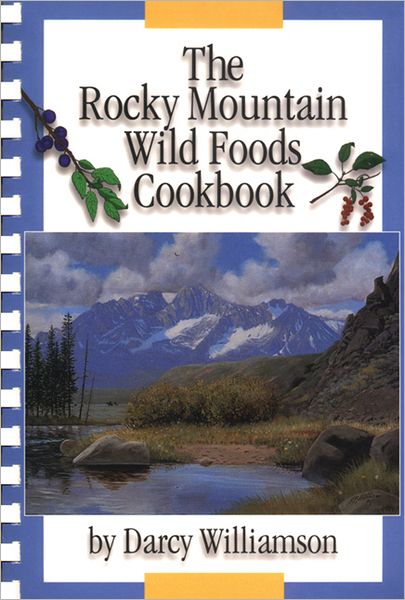
The Rocky Mountain Wild Foods Cookbook by Darcy Williamson describes twenty-eight plants common to the region and provides an extensive selection of recipes using these delicacies from nature’s garden. All emphasize health-conscious cooking, using fresh ingredients with low sugar and fat content.
Weed ’Em and Reap: A Weed Eater Reader by Roger Welsch. A humerous book about the weeds in your yard you can eat, but it gets mixed reviews at Amazon. [Kindle edition available.]
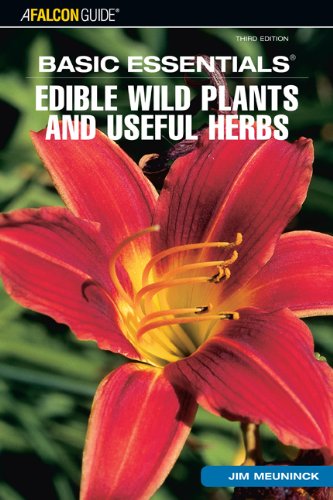
Basic Essentials Edible Wild Plants and Useful Herbs, 3rd (Basic Essentials Series) by Jim Meuninck. An introductory guide to some of the common plants you’d encounter throughout the United States and Canada. The book has glossy color pictures, descriptions, locations, cooking tips, and medicinal uses for each plant. It spotlights warnings for the plants that may be poisonous if not used properly, or if they have toxic look-alikes. Has a list of rules to consider when foraging for wild foods. Includes recipes. There is also a 2nd Edition, which out sells the 3rd Edition.
Edible Wild Plants by Perry Medsger Oliver. This is a reprint of an early book.
The following books are not shipped by Amazon:
Edible Wild Plants: A North American Field Guide by Thomas Elias and Peter Dykeman is a season-by-season guide to identification, harvest, and preparation of more than 200 common edible plants to be found in the wild.
The Wild Vegetarian Cookbook by “Wildman” Steve Brill starts by introducing wild and purchased natural foods and basic methods for preparing them. He gets into seasonings, tips on adapting natural ingredients to traditional cooking methods and explains how to harvest wild foods safely.
Edible Wild Plants and Herbs: A Pocket Guide by Alan M. Cvancara. Informative, but photos are not in color. A tutorial on preparing plants to eat and finding fresh water for cooking, as well as lists of common poisonous plants to avoid. [Kindle edition available.]
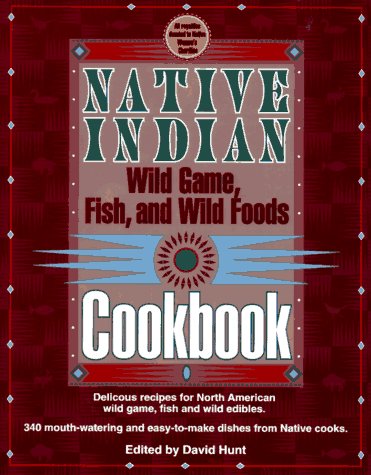
Native Indian Wild Game, Fish, and Wild Foods Cookbook: New revised and expanded edition by Lovesick Lake Native Women’s Assocation. Native America cookbook filled with cultural facts and tidbits. Over 340 recipes for wild edibles, fruits, fish and seafood, venison, small and big game. Gathered from Zuni, Pueblo, Cherokee, Tlingit, Ojibway and other tribes across North America and updated for the modern cook.
The Foraging Gourmet by Katie Letcher Lyle is a field guide and cookbook. For 55 edibles, you learn what to look for, supported by drawings and some color photos, plus history, lore, and a recipe or two for each wild treasure. Written for an American audience, it can also serve foragers in Canada and, to some degree, Europe, as it includes mushrooms, fruits, and greens found in this milieu as well. See a very descriptive Amazon review.
The below is just a sampling of the many mushroom foraging books. Amazon has a list of the Bestsellers in Mushrooms, though it includes more than foraging. In order by Amazon rank.
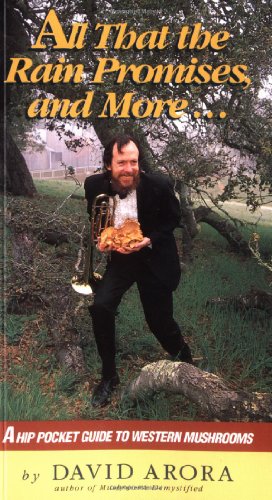
If you forage for mushrooms, Mushrooms Demystified by David Arora is the reference you want to have back home (and it is heavy).
Mushrooming without Fear: The Beginner’s Guide to Collecting Safe and Delicious Mushrooms by Alexander Schwab focuses only on those types that are both safe to eat and delicious. Most important, it presents the eight rules of mushroom gathering in a straightforward fashion–including “Never, never take a mushroom with gills” and “If a mushroom smells rotten, it is rotten.” Among the many mushrooms covered are the cep; the red-cracked, larch, bay, and birch boletes; hen of the woods, chanterelle, trumpet chanterelle, hedgehog fungus, common puffball, horn of plenty, and cauliflower mushroom. Each is identified with several color photographs and identification checklist, and there’s also information on mushroom season, handling, storage, and cooking, complete with recipes. Reviewers point out that many good mushrooms are not included and the book is very much for beginners. [Kindle edition available.]
The Complete Mushroom Hunter: An Illustrated Guide to Finding, Harvesting, and Enjoying Wild Mushrooms by Gary Lincoff. With an anecdotal style of writing the author covers his mushroom lifestyle and experiences. It covers the history of mushroom hunting worldwide with lots of high quality photos. Includes: How to get equipped for a mushroom foray, where to find them, how to identify them, and how to prepare and serve the fruits of your foray, plus more than 30 recipes. Published August 1, 2010.
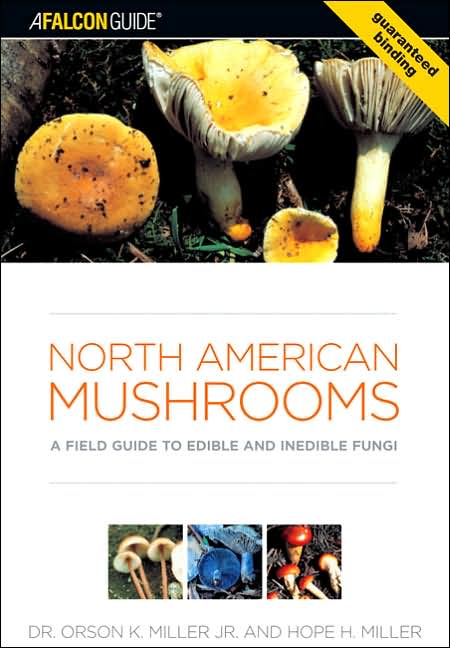
North American Mushrooms: A Field Guide to Edible and Inedible Fungi (Falconguide) by Dr. Orson K. Miller Jr. and Hope Miller. This is a field guide with more than 600 brilliant color photographs, detailed line drawings, informative and illuminating descriptions, and critical identification keys. This comprehensive book for expert and amateur alike offers tips on how, where, and when to collect wild mushrooms; suggestions for culinary uses; a section on mushroom toxins; and pictorial keys and glossaries to aid the user in precise identification. Identification key is based upon spore printing. It exclusiveluy uses scientific names (Latin). Common names get only a passing mention and are often not included in the index. The Amazon reviews average to 4 stars.
A Field Guide to Mushrooms: North America (Peterson Field Guide) by Kent H. McKnight and Vera B. McKnight. More than 1,000 species of mushrooms described in detail. Over 700 paintings and drawings reveal subtle field marks that cannot be captured into photographs. This is a 20 year old classic. It is good for beginners.
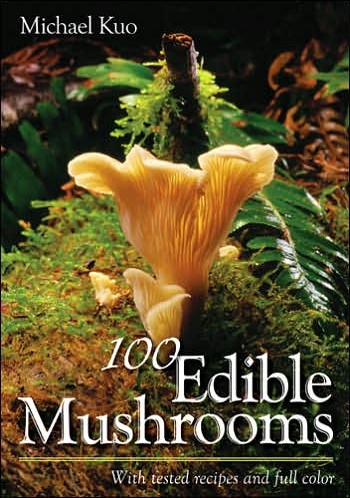
100 Edible Mushrooms by Michael Kuo selects the top 100 mushrooms best suited for cooking. The book describes in detail how to identify each species, where and when to find them, and how to cook them in creative and delicious recipes. The Amazon reviews average to 4+ stars.
Psilocybin Mushrooms of the World: An Identification Guide by Paul Stamets. The only identification guide exclusively devoted to the world's psilocybin-containing mushrooms. Detailed descriptions and color photos for over 100 species are provided, as well as an exploration of their long-standing use by ancients and their continued significant to modern-day culture. The Amazon reviews average to 5 stars.
Morels by Michael Kuo includes extensive information on the art of hunting morels and on current scientific knowledge regarding these delectable fungi. In addition, Kuo compiles easy-to-understand information on the latest scientific research into morels, from studies into how they grow to DNA-based classification of species. With over two hundred color photographs. The Amazon reviews average to 5 stars.
Prehistoric Plant Use in New England is a bibliography developed by David R. George, Department of Anthropology, University of Connecticut. [now in archive.org]
Native American Ethnobotany Database is an impressive database of foods, drugs, dyes, and fibers of Native North American Peoples. Provided by Dan Moerman, Professor of Anthropology.
Commercially-Harvested Edible Forest Mushrooms is a research project of mushrooms collected in the Pacific Northwest. Lots of pictures. The species covered are in general distribution.
Medicine Bow is a wilderness school in the North Georgia mountains. Includes using wild plants for food and medicine.
The Western Pennsylvannia Mushroom Club is the largest mushroom club in the Five State Area. They promote the enjoyment, study, and exchange of information about wild mushrooms.
Mycological Society of San Francisco is North America’s largest local amateur mycological association. Photos are of people collecting, and some are large mushrooms!
WildPantry.com is a small company in southeastern Tennessee that supplies wild foods and other natural products. Too many different products to list here.
Edible Landscaping offers a variety of beautiful plants, all of which are absolutely delicious as well. Has a web based forum for questions.
WildHarvest.Com had recipes and a plug to shop at their Earthy Delights stores in Michigan (offer wild-harvested and hand-crafted foods from small harvesters). Now in archive.org. Focuses on fiddleheads, ramps, and mushrooms.
Dining on the Wilds, by John Goude, is a site on Learning Nature through Wild Edible Plants and Ethnobotany. It is selling a book and six professional videos with views of over 300 North American wild plants. Tours are given. [Videos (see details here) are temporarily unavailable.]
The School of Self-Reliance has Wild Food Foraging, pages intended to be an aid to learning about wild edibles. Also see Why Eat Wild Food?, an expanded chapter of Christopher Nyerges’ Guide to Wild Foods. Gives many reasons to avoid commercial food, and to find, identify, and use wild food.
Natural-list: Home. Richard Nadeau is a forest forager for your natural and wild foods, herbs and crafts.
Ila Hatter’s Wildcrafting.com sells videos and books on collecting plant materials in their natural habitat for food, medicine, and craft.
Australian Native Foods gets into Australia’s unique edible plants and animals that could form the basis for a substantial and sustainable industry. See plant profiles along the left.
Barry Sinervo teaches an animal behavior course at UCSC. One day is on Optimal Foraging Behavior. Here are his class notes. [now in archive.org]
A search on foraging at Amazon.com gets a few good ones amongst many others and out-of-print ones. Here’s an extracted list of relevant Books on “Foraging” that I did many years ago.
Over 1000 plant pictures from NYC foraging walks indexed in plant alphabetical order. Grouped by edibility. Split between plants and mushrooms. Pictures within plants ordered by season.
Plants for a Future, in England, is a resource and information centre for edible, medicinal and other useful plants. Has a 7300 useful plant database. Scroll down to search for a plant or use Search Page. This is the US search site: Plants For A Future - Database Search.
Henriette Kress, a herbalist and tour guide in Finland, wrote the first herb FAQ for the herb newsgroup. Her Herbal Homepage has a culinary herb FAQ, a plant database, and more.
Fruits of Warm Climates is an online book by Julia F. Morton. Organized by fruit. Formerly a printed book, but it is now entirely online.
FoodplantDB is a SQL database created from Yanovsky, Elias. 1936. Food Plants of the North American Indians. This publication reviewed approximately 80 years of literature, back to around 1850, listing 1,112 species in 444 genera of plants among 120 families, used for food by the North American Indians. Best way to find something is to put an asterisk in and do a search.
Robert Freedman has compiled Famine Foods, a database of plants that are not normally considered as crops, but are consumed in times of famine. Listed alphabetically by family (Latin name).
U of Illinois at Urbana Champaign Weed Science has a web site with both edible and non-edible weeds mixed. No edibility info. The Weed Science Society of America has a Photo Gallery. Also see the Intriguing World of Weeds and Take a Weed to Lunch [in archive.org].
Virginia Tech has a Weed Identification Guide of common weeds and weed seedlings found throughout Virginia and the Southeastern U.S.
The list that is the most foraging oriented is Forage Ahead. Active but most posts are on topic. Formerly this list was Wild Edibles, but the spam drove it to a new name. You could go to old one to see the archives, but you now have to be a list subscriber.
There is another list on Yahoo called edibleweeds. It has little activity.
Another Yahoo group is Wild Forager. Very active, but it isn’t clear just how on topic the posts are.
downsizer.net has web forum on Foraging. The light discussion is mostly on mushrooms.
W PA Mushroom Club is affliated with the largest mushroom club in the area.























 The Complete Mushroom Hunter: An Illustrated Guide to Finding, Harvesting, and Enjoying Wild Mushrooms by Gary Lincoff. With an anecdotal style of writing the author covers his mushroom lifestyle and experiences. It covers the history of mushroom hunting worldwide with lots of high quality photos. Includes: How to get equipped for a mushroom foray, where to find them, how to identify them, and how to prepare and serve the fruits of your foray, plus more than 30 recipes. Published August 1, 2010.







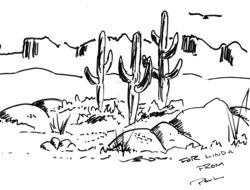 In 1986, Linda moved to Glendale in Phoenix, Arizona to take care of her parents in Sun City West, Arizona. She lived there for 13 years, until 1999, eating off the desert and leading wild food walks with her friend, Willie Whitefeather. Her guide books document all these years and include her experiences, photos, recipes, and favorite wild plants. (See